Understanding the Numberblocks Times Table
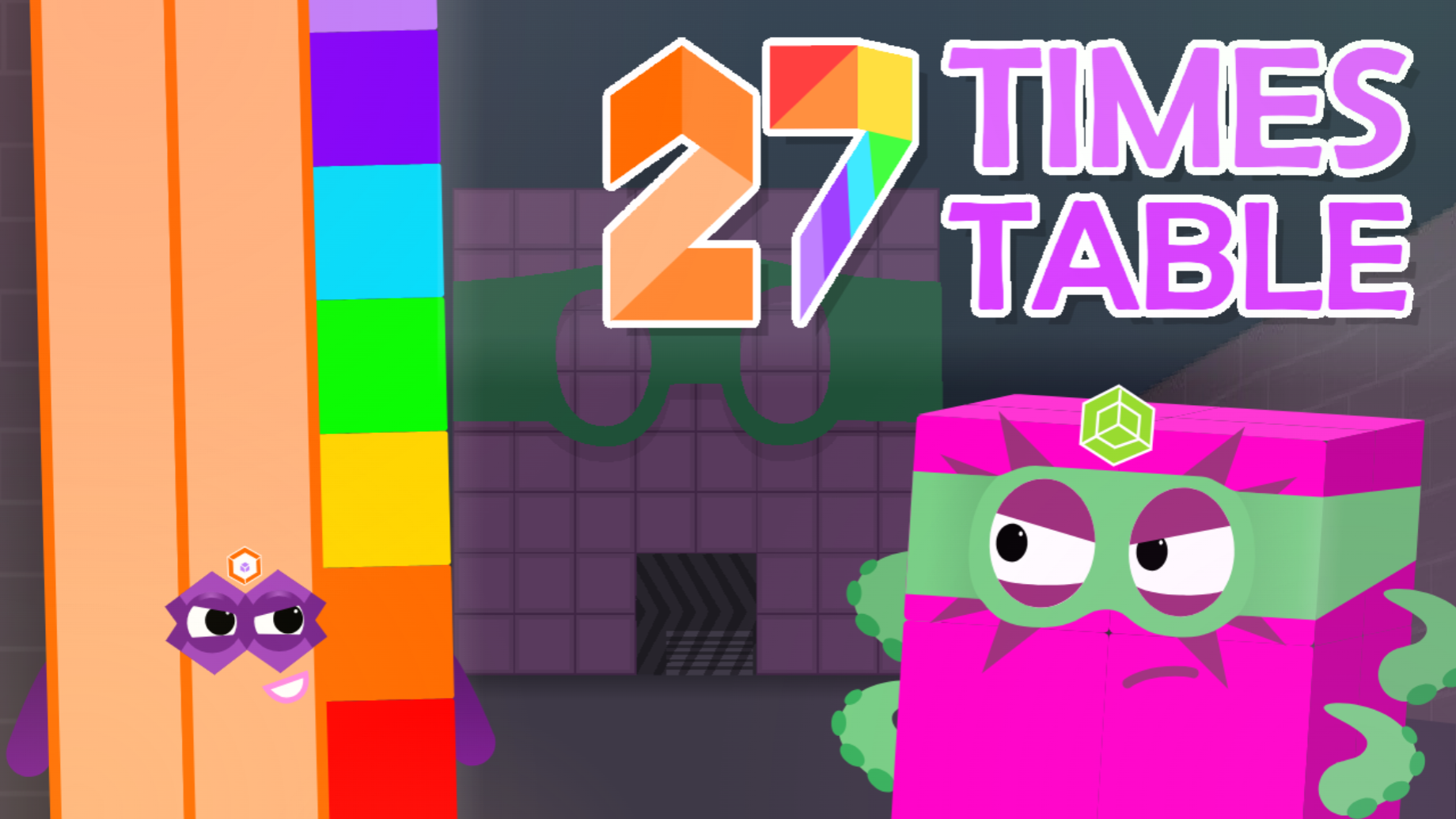
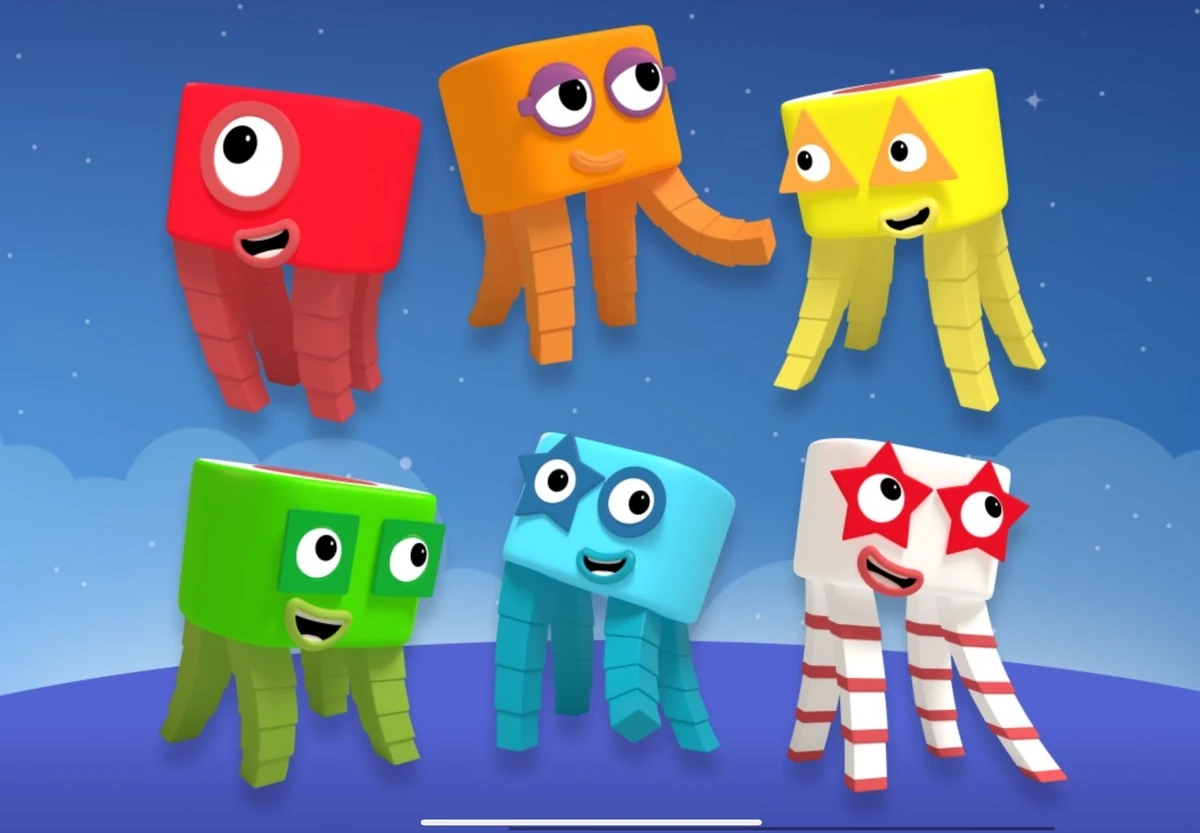
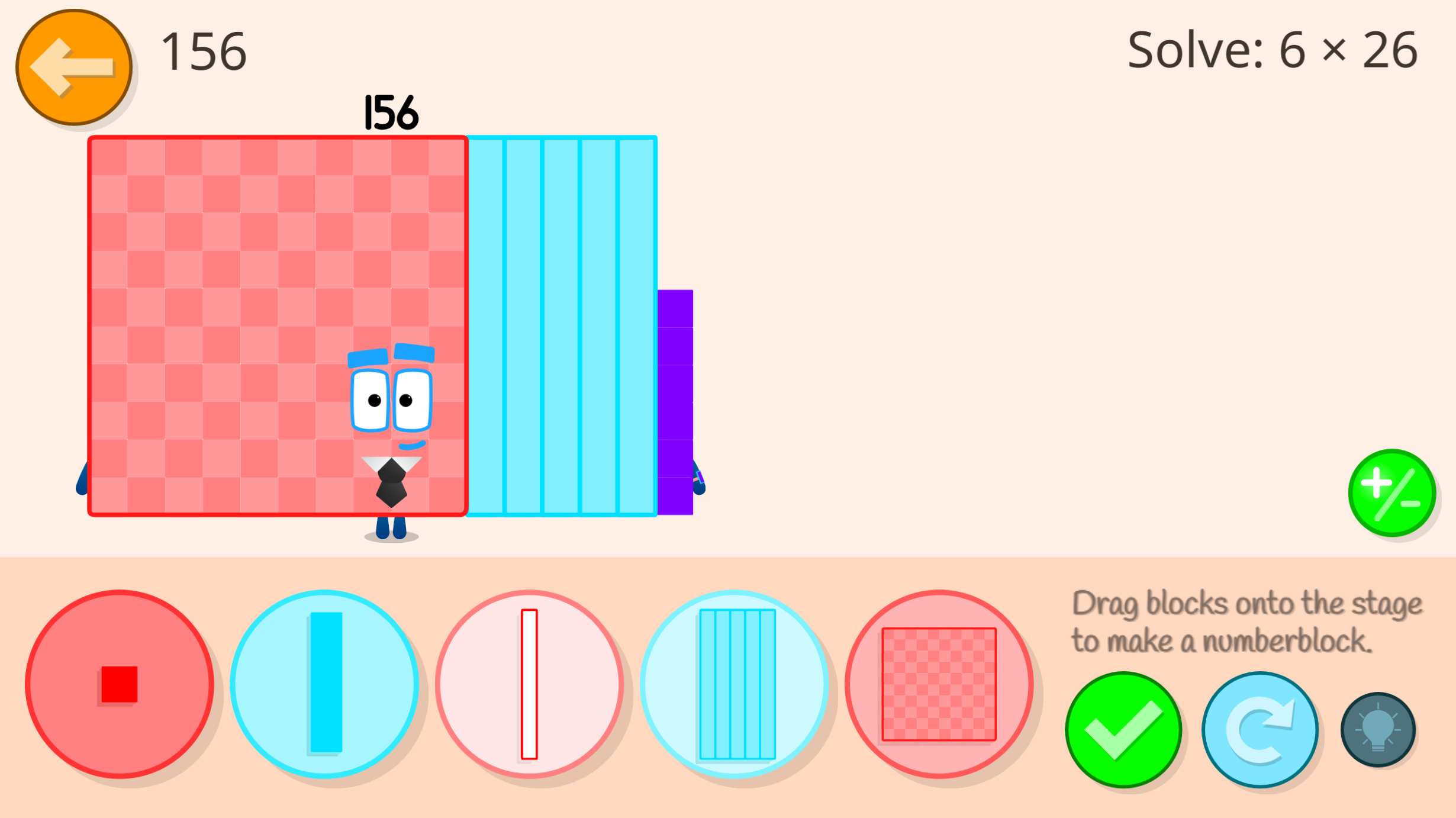
The Numberblocks series has captivated young audiences by making learning fun and engaging. This animated show introduces children to basic math concepts through colorful characters that represent numbers. One of the essential skills children can learn from Numberblocks is the times table, which lays the foundation for multiplication and division. By using visual aids and storytelling, Numberblocks makes these concepts accessible and enjoyable for early learners.
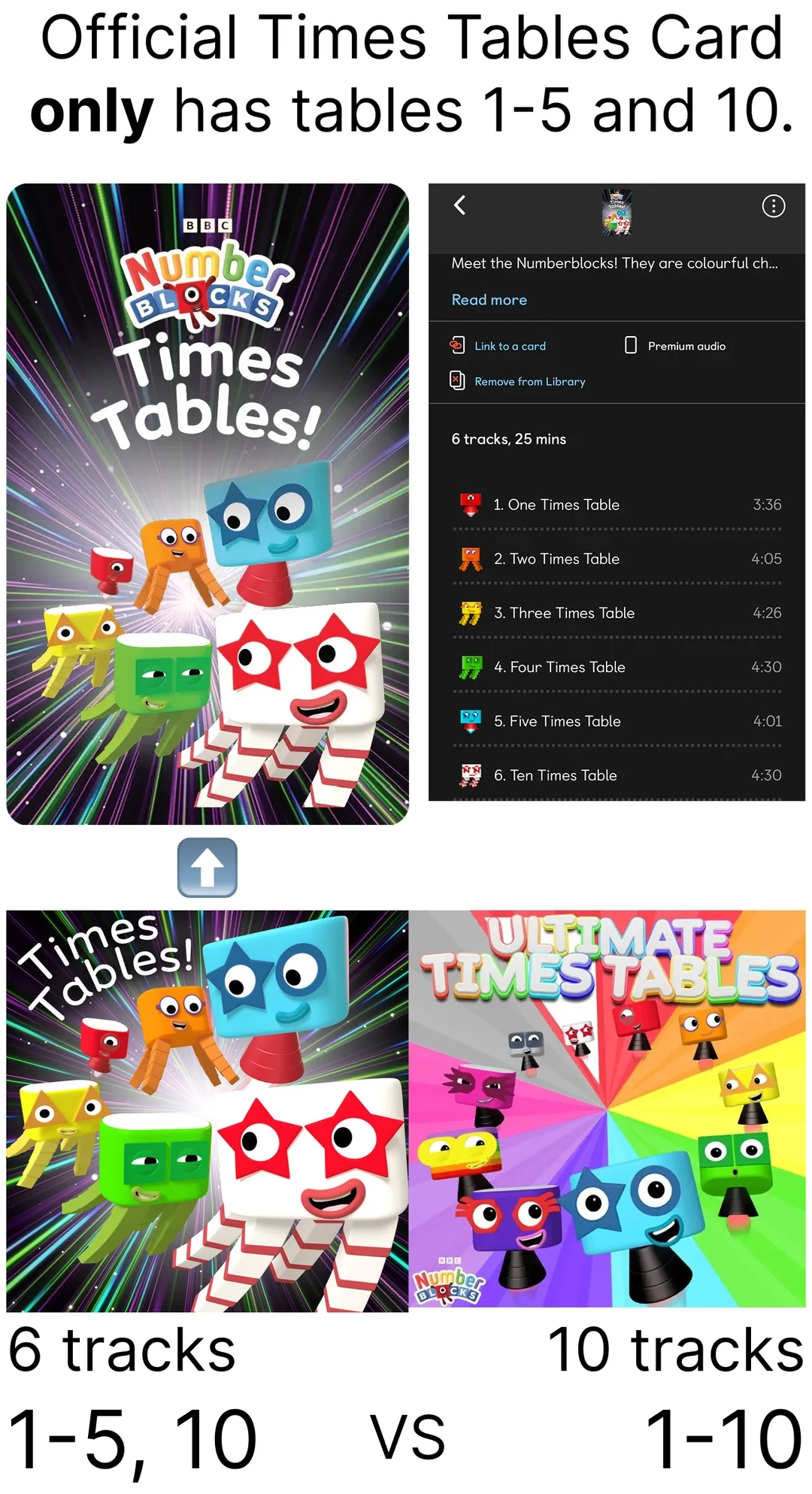
As children watch the adventures of Numberblocks, they not only learn to recognize numbers but also understand how they interact with one another. The times table is a crucial part of this learning journey, as it helps children grasp the idea of repeated addition. Through playful interactions and relatable scenarios, Numberblocks encourages kids to practice their multiplication skills in a way that feels natural and entertaining.
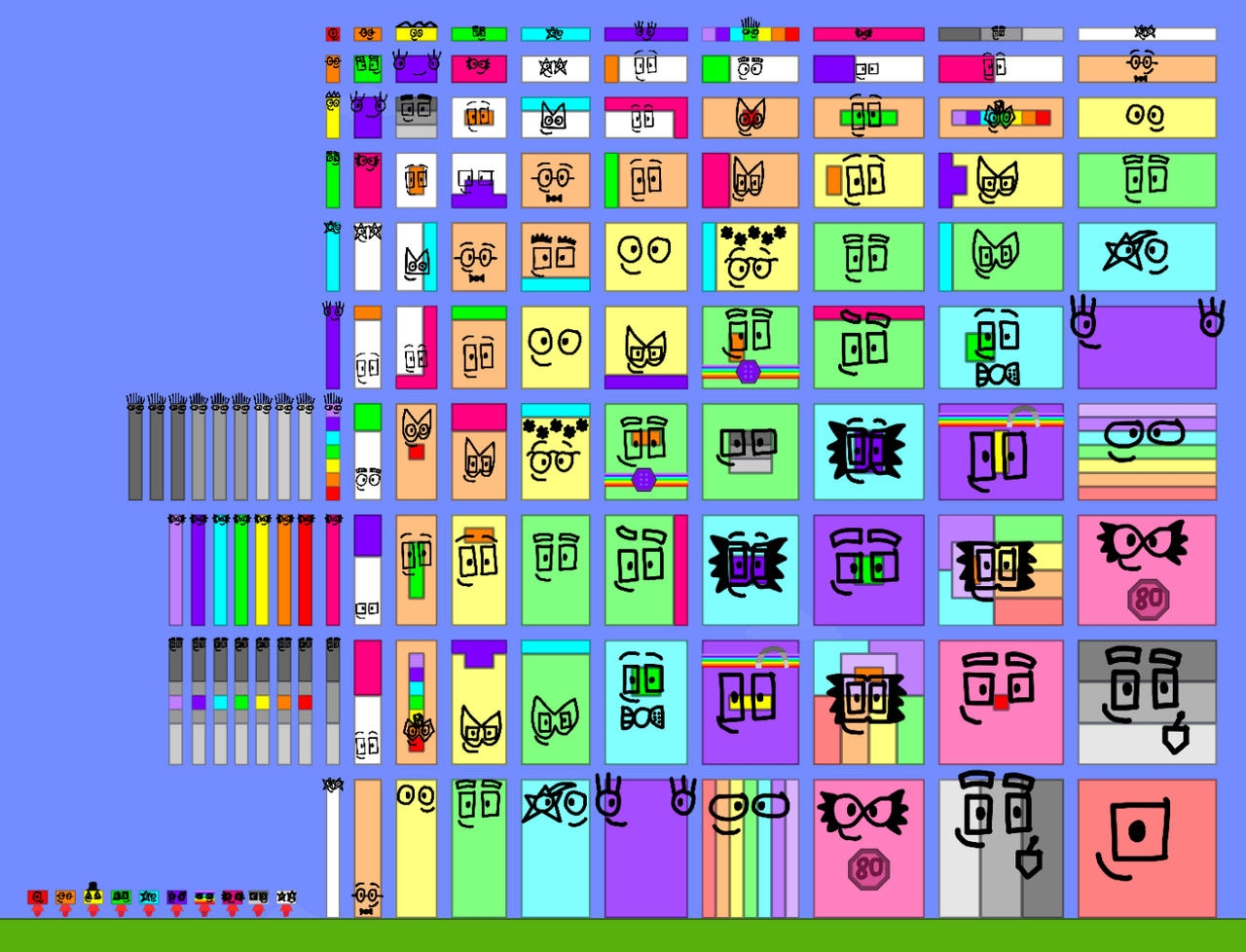
Numberblocks Times Table
The Numberblocks times table can be introduced in a structured manner, allowing children to build their confidence as they progress. Here’s a breakdown of how the times table can be presented using the characters from the show:
- 1 Times Table: The first Numberblock, One, shows that any number multiplied by one remains unchanged. For example, 1 x 1 = 1, 2 x 1 = 2.
- 2 Times Table: The second Numberblock, Two, illustrates doubling numbers. Children learn that 2 x 1 = 2, 2 x 2 = 4, and so on.
- 3 Times Table: With Three, kids see how adding three repeatedly works. For instance, 3 x 1 = 3, 3 x 2 = 6.
- 4 Times Table: Four introduces the concept of groups of four. Examples include 4 x 1 = 4 and 4 x 3 = 12.
- 5 Times Table: Five emphasizes counting by fives. Children learn that 5 x 1 = 5 and 5 x 4 = 20.
As children progress through the times tables with Numberblocks, they develop a solid understanding of multiplication. The characters provide relatable examples that make it easier for kids to remember their facts. Engaging activities such as songs and games further reinforce these concepts, making learning a joyful experience.
The Numberblocks times table not only teaches multiplication but also fosters problem-solving skills and critical thinking. By visualizing numbers as characters with distinct personalities, children are more likely to engage with math positively. This approach helps demystify mathematics and encourages lifelong learning.
In conclusion, the Numberblocks series serves as an excellent resource for teaching young learners about multiplication through its innovative approach to storytelling and character development. By incorporating fun elements into math education, children can master the times table while enjoying their favorite characters. This combination of entertainment and education ensures that foundational math skills are learned effectively and joyfully.
Download and Print numberblocks times table Listed below